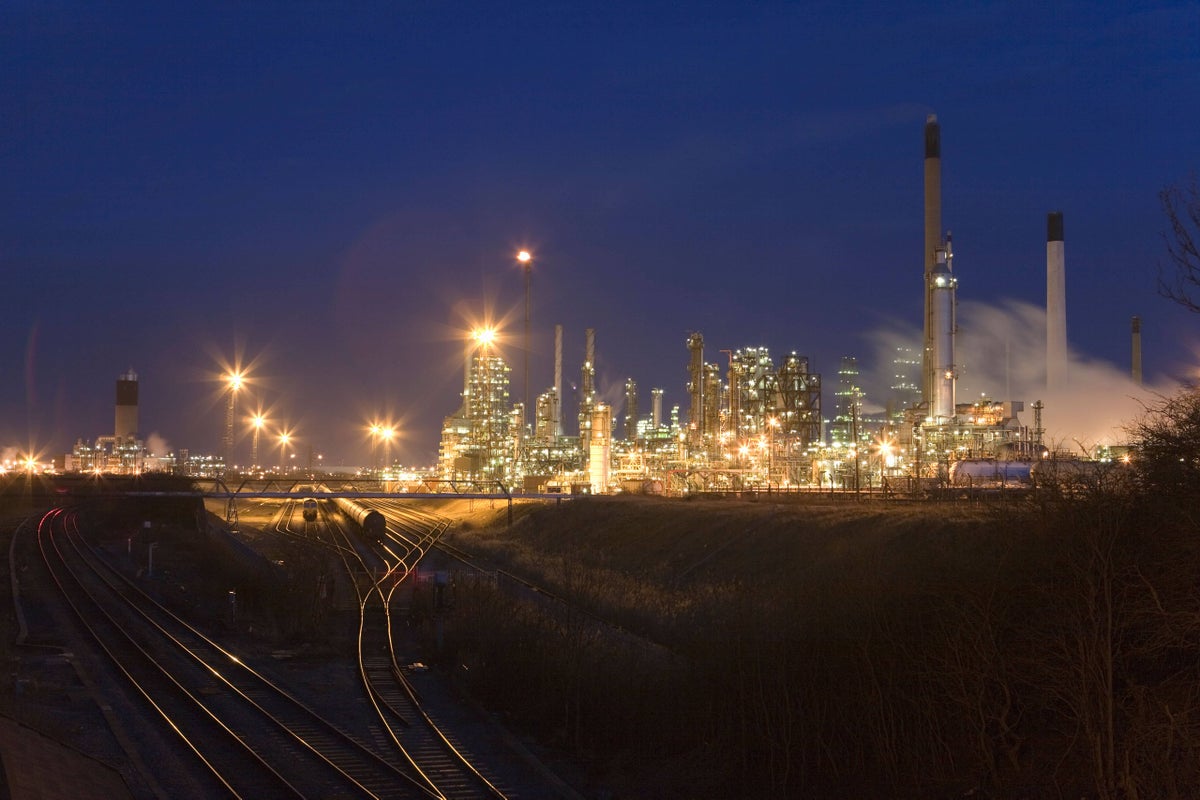
Phillips 66 has agreed to buy the collapsed Prax Lindsey oil refinery out of administration, but revealed plans to integrate the operations into a neighbouring site in north-east Lincolnshire.
The Insolvency Service said that around 250 staff employed at the refinery in North Killingholme will have their jobs guaranteed until the end of March.
Phillips 66 said it had decided to not restart standalone refinery operations at the Lindsey site because it was not “viable in current form”.
It will instead integrate key assets into the neighbouring Humber Refinery operations, which the company already owns.
Production at the Lindsey site was stopped after its owner, Prax Group, collapsed into insolvency in June.
Paul Fursey, Phillips 66 UK lead executive, said: “We recognise and deeply sympathise with how difficult the closure of the site has been for the workforce and the local community.
“This sale is the best way forward to secure jobs, bolster the local economy and encourage investment in the region.”
The company said the acquisition will enhance operations at the Humber Refinery and improve the supply of fuel to UK customers.
The Government’s official receiver took control of the Lindsey operation after the collapse of its owner and a bidding process was launched.
It is one of only five large oil refineries remaining in the UK after the recent closure of the Grangemouth plant in Scotland.
Some 125 jobs were cut at the site following the administration.
Energy minister Michael Shanks said Phillips 66 was the “most credible bidder” in the Government’s process to find a buyer.
“This agreement marks the next step in securing an industrial future for the Lindsey site and the workers, who were badly let down by their former owners,” he said.
“Phillips 66 is an experienced and credible operator, and today’s sale agreement allows them to quickly expand operations at its neighbouring refinery, with all remaining staff guaranteed employment until the end of March.
“This will expand the company’s ability to supply fuel to UK customers, boosting domestic energy security and securing jobs – including hundreds of new construction jobs over the next five years.”