The ongoing mobility evolution normalising electric vehicles (EVs) is commendable, and it is sufficient to compel drivers into buying one, for EVs are eco-friendly, fun to drive, and are widely believed to cut fuel/energy costs. Yet the adoption of EVs is not being preferred over combustion engine vehicles, meaning the transition may be stalled.
Let’s delve deeper into what is really impeding the reception of EVs despite countless automakers churning out a myriad of flashy electrified vehicles, equipped with high-end, sophisticated tech.
Affordability: The biggest roadblock
First things first, one must bear in mind that EVs definitely cost a fortune—courtesy of the tech underneath, its costs and the meticulous engineering behind. The pricey aspect of low EV reception is also backed by Ashley Nunes, a senior research associate at Harvard Law School, as she says: “We looked at 13 years’ worth of electric vehicle prices in the US, and in inflation-adjusted dollars, the average price of an EV is going up, not down.”
Despite a 25% drop in battery prices in 2024, EVs still have higher upfront costs than petrol vehicles, especially in markets with limited subsidies or high interest rates. As per the data, China is leading in EV affordability, with two-thirds of battery electric vehicles (BEVs) sold in 2024 priced lower than their internal-combustion counterparts. Emerging markets like Thailand, Brazil, and Indonesia are also benefiting from affordable Chinese models.
In contrast, European markets seem unfortunate as they registered a trivial change in EV pricing, with significant premiums for BEV SUVs. The US is facing similar challenges, with high prices limiting mass adoption.
Charging infrastructure
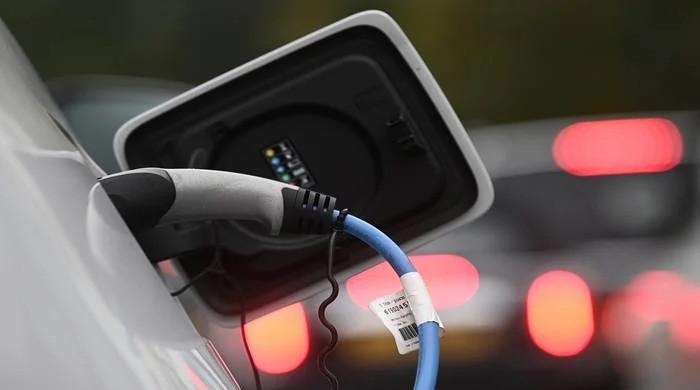
Across regions, charging availability is another grave bottleneck, because even in countries with rapidly expanding public networks, many drivers are worried about EV charging infrastructure. Urban dwellers of apartments and households without off-street parking face significant hurdles installing home chargers—an issue common from the US to Europe to parts of Asia.
Meanwhile, public charging is growing, but at an inconsistent pace. Some regions have established extensive, fast-charging systems, while others are relying on slow chargers or have networks prone to outages.
Even in areas with plenty of chargers, compatibility issues, queues during peak time, and variable pricing negatively affect consumer confidence.
Thus, for most people, the question isn’t just whether EVs are technologically capable—it’s whether they can be conveniently powered.
EV performance issues
Besides the limited range in EVs, another anxiety which continues to deter buyers is performance, a key factor when daily commuting is in question. While drivers in colder climates worry about range degradation in winter, rural and long-distance drivers question whether charging stops will extend their journeys.
And while modern EVs perform well for most urban travel conditions, options suitable for towing, large-family transport and heavy hauling are still not in abundance.
In many countries, EVs are often purchased as complements rather than replacements. Households buy an EV for short trips while keeping a separate petrol vehicle for long-distance or heavy-duty needs. This treatment signals not only uncertainty but also the limited availability of EVs that meet all use cases.
Limited availability
Another barrier to wider EV adoption worldwide is the mismatch between what consumers want and what’s available to them. Buyers chasing large SUVs, minivans, or low-cost compact models have limited EV options, and this is where China stands out for offering an incredible array, ranging from ultra-compact city cars to low-cost electric SUVs.
Notwithstanding these woes, projections by industry analysts suggest redressal, as new models planned through 2026 are expected to close many of these gaps. However, as of now, many shoppers struggle to find an EV that fits their lifestyle, budget or feature expectations.
Production challenges
EV manufacturers are adjusting expectations as adoption appears to have slowed, and some major automakers are restricting EV production plans, scaling back partnerships or delaying capacity expansions.
These shifts are equally driven by slower demand growth and partly by uncertainties in supply chains, charging network development and regulatory environments.
With automotive unions and policymakers worldwide bracing for an electric future, upcoming regulatory standards, especially in Europe, will compel manufacturers to expand affordable EV offerings.
EV sales trends
The surprising part of the picture is that global EV sales are climbing, with varied momentum. Markets such as the US and Europe have registered slow growth compared to previous rates, while China and emerging markets are accelerating, thanks to lower prices and broader model availability.
This trend was also observed in other regions, with affordability and infrastructure increasing adoption speed.
Global EV manufacturers’ total sales so far in 2025
| Manufacturer | Total EVs sold/delivered in 2025 so far | Key notes |
| Tesla | 1,217,901 vehicles (Q1-Q3 2025) | Global total for first three quarters; full-year total pending |
| BYD (BEV only) | 1.61 million (Jan-Sept 2025) | ~4.4 million vehicles (2025 estimate) |
| Rivian | Full-year forecast: 41,500-43,500 vehicles | |
| General Motors | 144,700 EVs sold in the U.S. as of Q3 2025 | US-only figure, global 2025 total not yet released |
| BMW (BEV only) | 247,025 fully electric vehicles sold worldwide (Jan-Sept 2025) | Strong global BEV growth; excludes PHEVs |
| Hyundai Motor Group | ~481,000 EVs (BEVs + PHEVs) worldwide (Jan-Sept 2025) | Hyundai + Kia combined performance |
| Volkswagen(BEV only) | 717,500 BEVs worldwide (Jan-Sept 2025) | Up 41.7% YoY compared to 2024 |
| Ford | 108,185 EVs worldwide (Jan-Sept 2025) | Based on regional reporting, no single global release |
| Zeekr | 165,346 EVs sold worldwide (Jan-Oct 2025) | Rapid global expansion, strong performance in premium EV segment |
| Xiaomi | ~257,171 EVs (Q1-Q3 2025) | Fastest-growing new entrant in 2025, driven by SU7 series |
| Geely (NEV only) | 725,000+ NEVs (Jan-June 2025) | Annual target: 3 million |
What’s the future of EVs?
Despite setbacks like unbearable prices, insufficient charging infrastructure, and performance limitations, the global EV transition is nevertheless moving forward, and more affordable models are on the horizon.
Competition in battery technology is also intensifying, and infrastructure networks are expanding with each passing year. With these elements combined, the barriers holding EV drivers back will gradually diminish, most likely.
For now, the EV landscape is one of uneven progress, not fully ready to cater to all kinds of drivers worldwide.